
Timber frame supply that connects with your development

For a development team, the frame needs to fit a wider delivery plan. Specification, design information, manufacturing approvals and site readiness must align across each plot and phase.
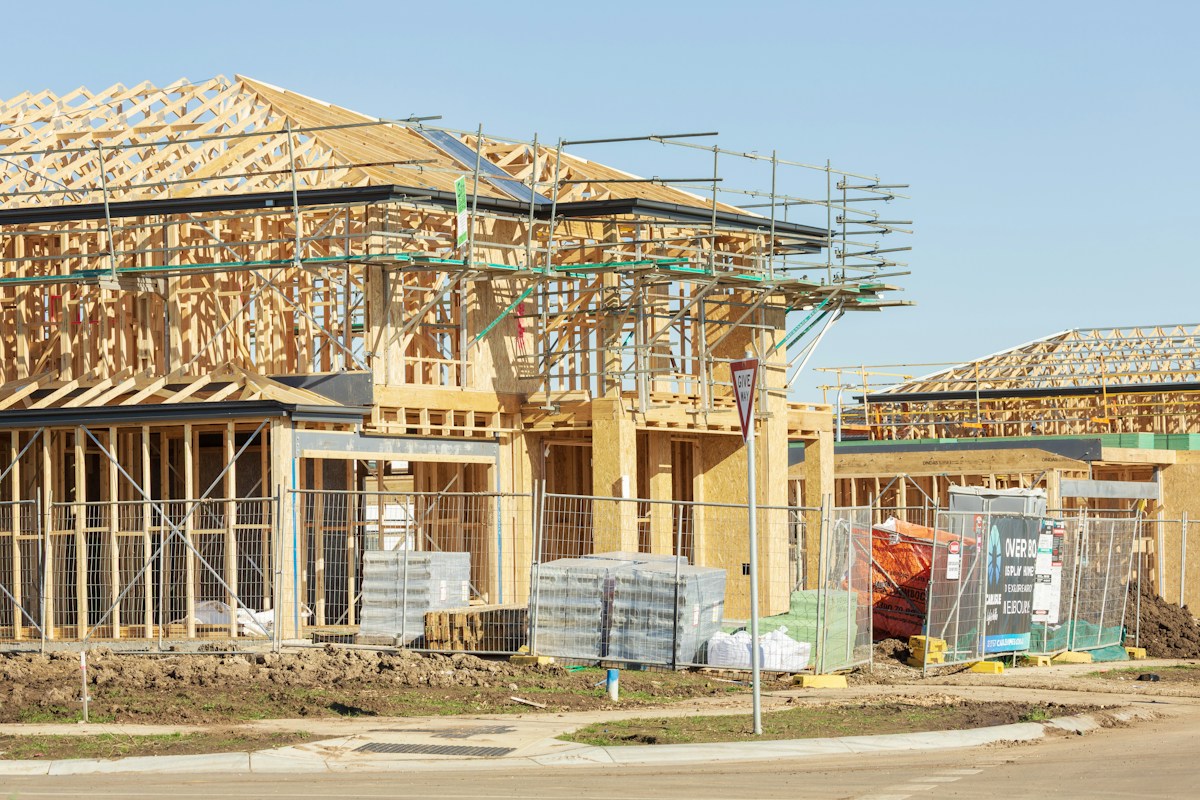
Unit types, drawings, specification, procurement
We begin with the unit types, current drawings, specification and procurement route. Your proposal identifies the package boundary and the assumptions behind the price and programme.
Supply, erection and broader delivery support can be discussed separately, allowing you to see how each route fits your own resources and subcontractor arrangements.
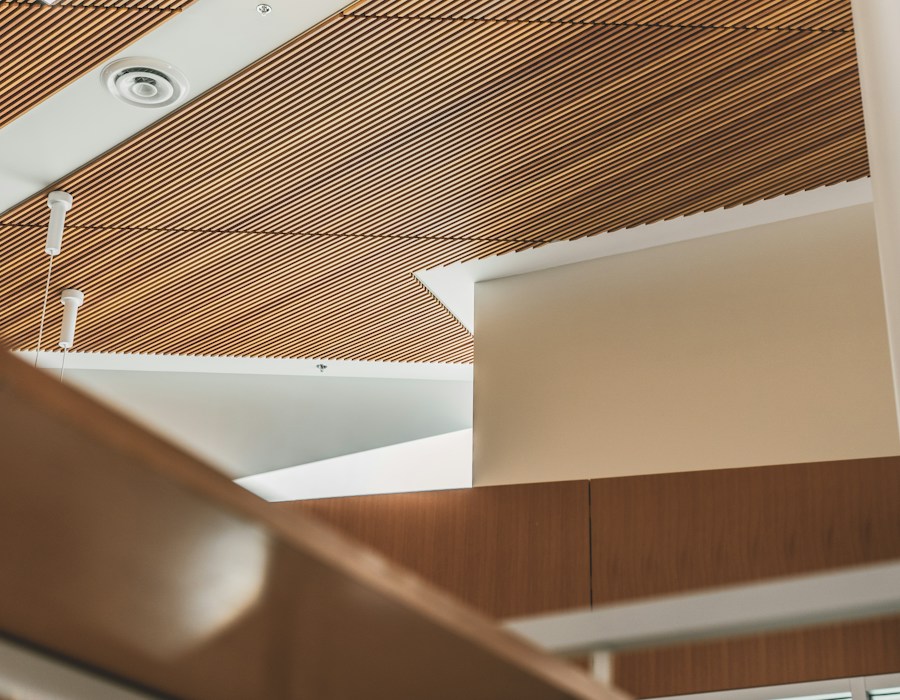
Consistency across a scheme, controlled changes
Repeatable details can support consistency across a scheme, while different unit types and site conditions still require appropriate design work. We help keep the frame information connected to the current drawing revisions and decisions.
Before manufacture, the relevant approvals and information responsibilities need to be clear. Changes are assessed against their effects on scope, cost and programme.
Plan the handover between factory and site
Production capacity is only one part of delivery. Transport, access, foundations, unloading, lifting and installation resources also need to align. We discuss the intended sequence with your team and identify the information needed to develop a realistic frame programme. Krivaja indicates around 60 days for production from approved workshop drawings; slots, transport and installation dates are confirmed for the agreed project.
Published portfolio across residential schemes
Krivaja’s published portfolio includes residential work at Southshore in Seaton and One Pentire in Newquay. These demonstrate different applications of its manufacturing capability; the proposed system and responsibilities for your development are assessed separately.
What to bring to the first discussion
- Site location, planning position and intended unit count.
- Current drawings, unit types and approximate areas.
- Performance priorities and proposed specification.
- Procurement route and the team already appointed.
- Target sequence, key dates and the support required.
A proposal your team can work with
The next step is a scoped discussion of the package, outstanding information and delivery arrangements.